
Digital vs. Analog: Choosing the Right Sounds for Today’s Gospel Service
Feb 02, 2026
Walk into almost any modern Gospel service and you’ll see one of three setups behind the keys: a classic Hammond-style organ, a Nord, or a laptop-driven MainStage rig.
Each choice says something about your sound, your space, and your musical philosophy. But here’s the truth most musicians don’t talk about:
👉 The best choice isn’t about nostalgia or tech—it’s about your sonic footprint.
Let’s break it down like pros.
🎹 The Analog King: The B3 (or a Faithful Clone)
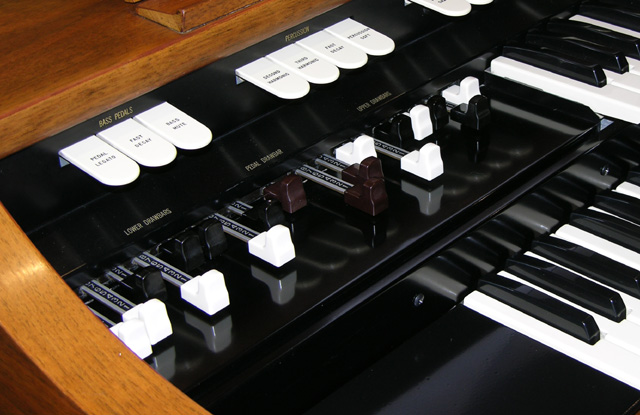
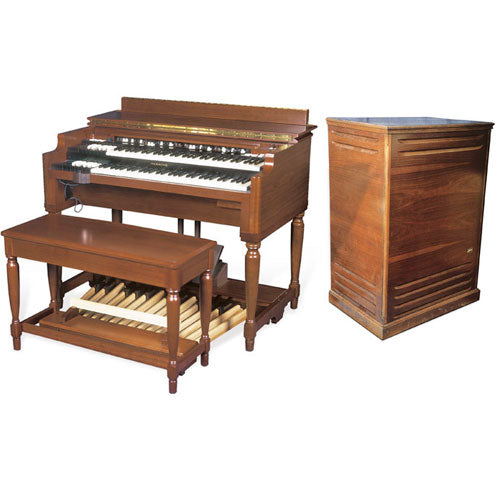
There’s nothing like a real B3. The grit. The air moving from a Leslie. The way it breathes with the choir.
Why players still love it
-
Natural compression and harmonic warmth
-
Sits beautifully under congregational singing
-
Instantly recognizable Gospel authority
The hidden challenge
The B3 lives right in the mid-range—the same space as:
-
Lead vocals
-
Alto harmonies
-
Spoken word moments
If you’re not careful, the organ doesn’t support the singer—it covers them.
Pro-tip (Vault-level):
Pull back your 888 drawbar dominance during verses. Save full registrations for:
-
Shouts
-
Turnarounds
-
Instrumental moments
Think conversation, not competition.
🔴 The Digital Staple: Nord on the Stage
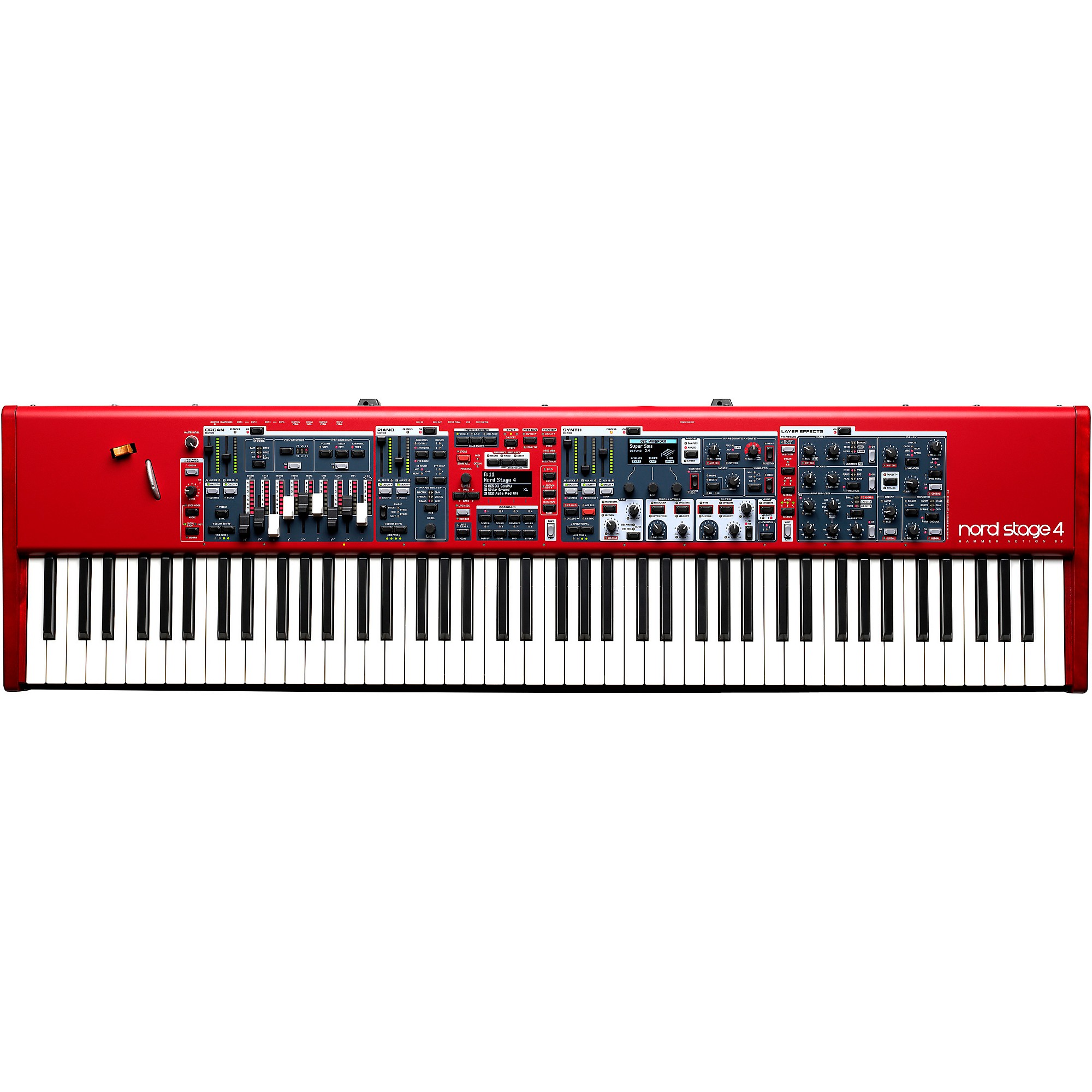
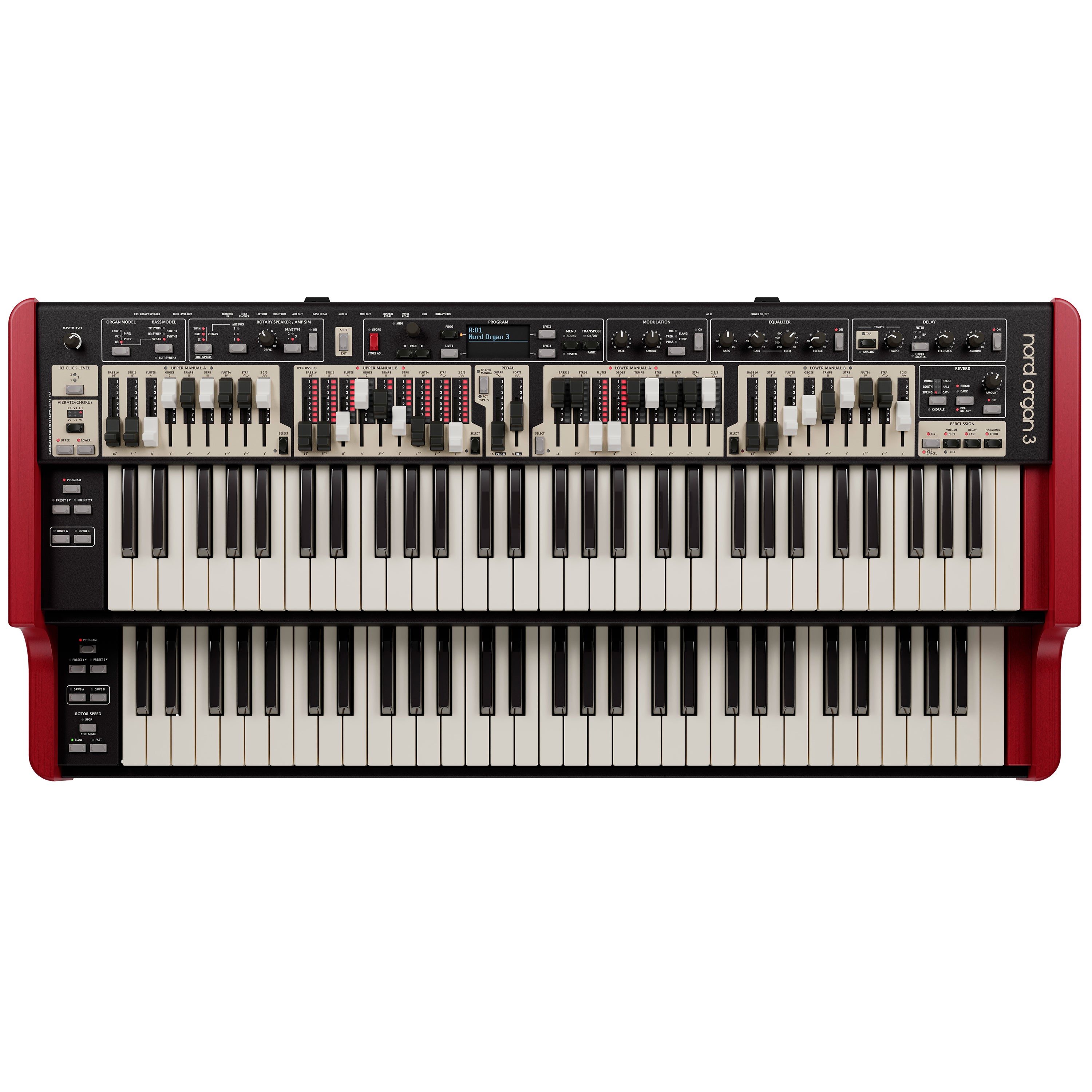
Nord keyboards have become the “Swiss Army knife” of Gospel services—and for good reason.
Why Nords dominate
-
Excellent organ + piano + pad balance
-
Fast patch switching (critical in worship flow)
-
Clean sound that engineers love
The sonic danger
Digital clarity cuts—sometimes too well. Bright pianos and organs can:
-
Slice through the vocal mid-range
-
Feel harsh in smaller rooms
-
Fatigue the ear over long services
Pro-tip:
Roll off highs above ~3–5kHz on piano patches during vocals.
Your sound should hug the singer, not sparkle over them.
💻 The Power Rig: MainStage & Software Instruments
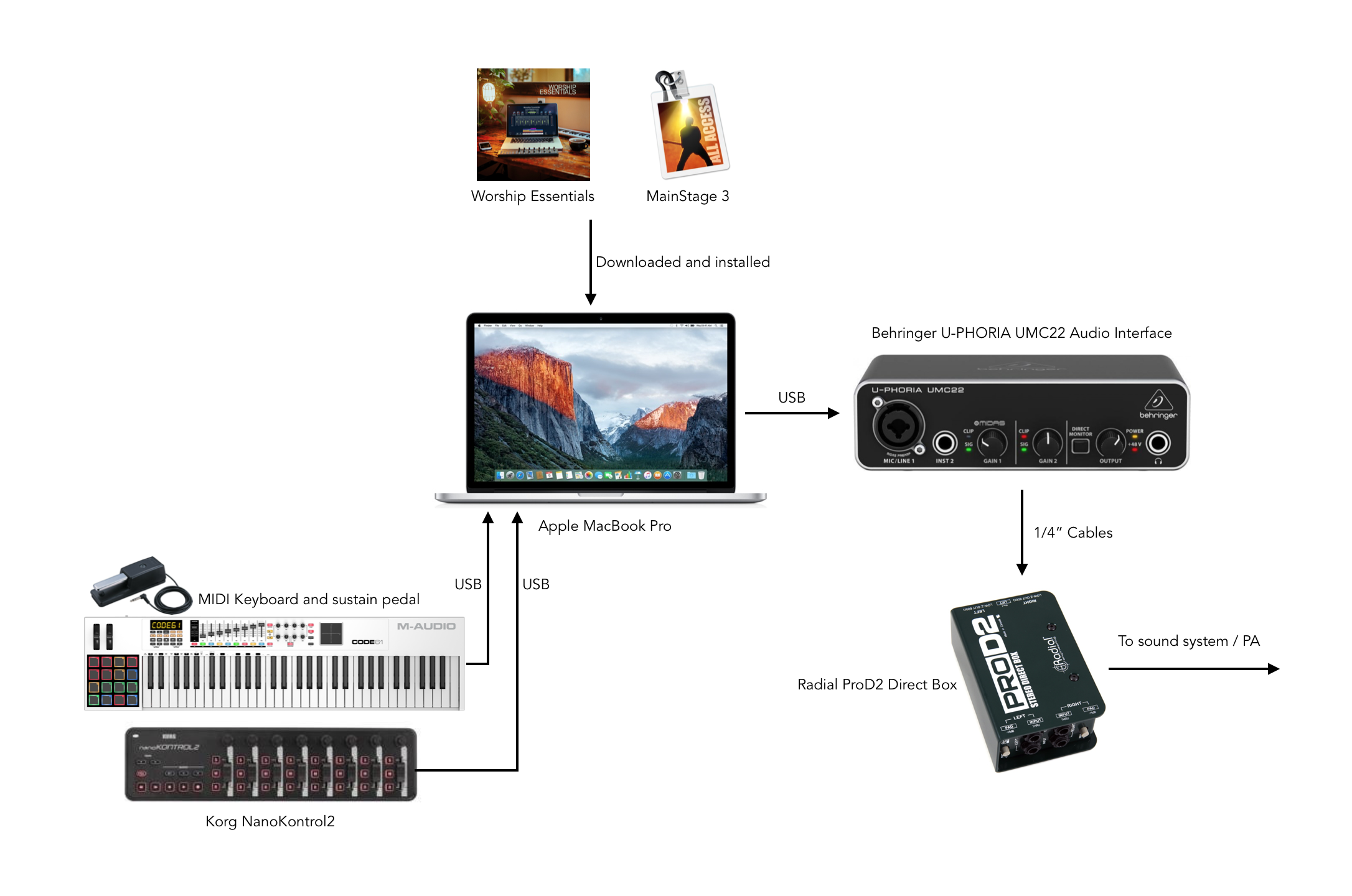
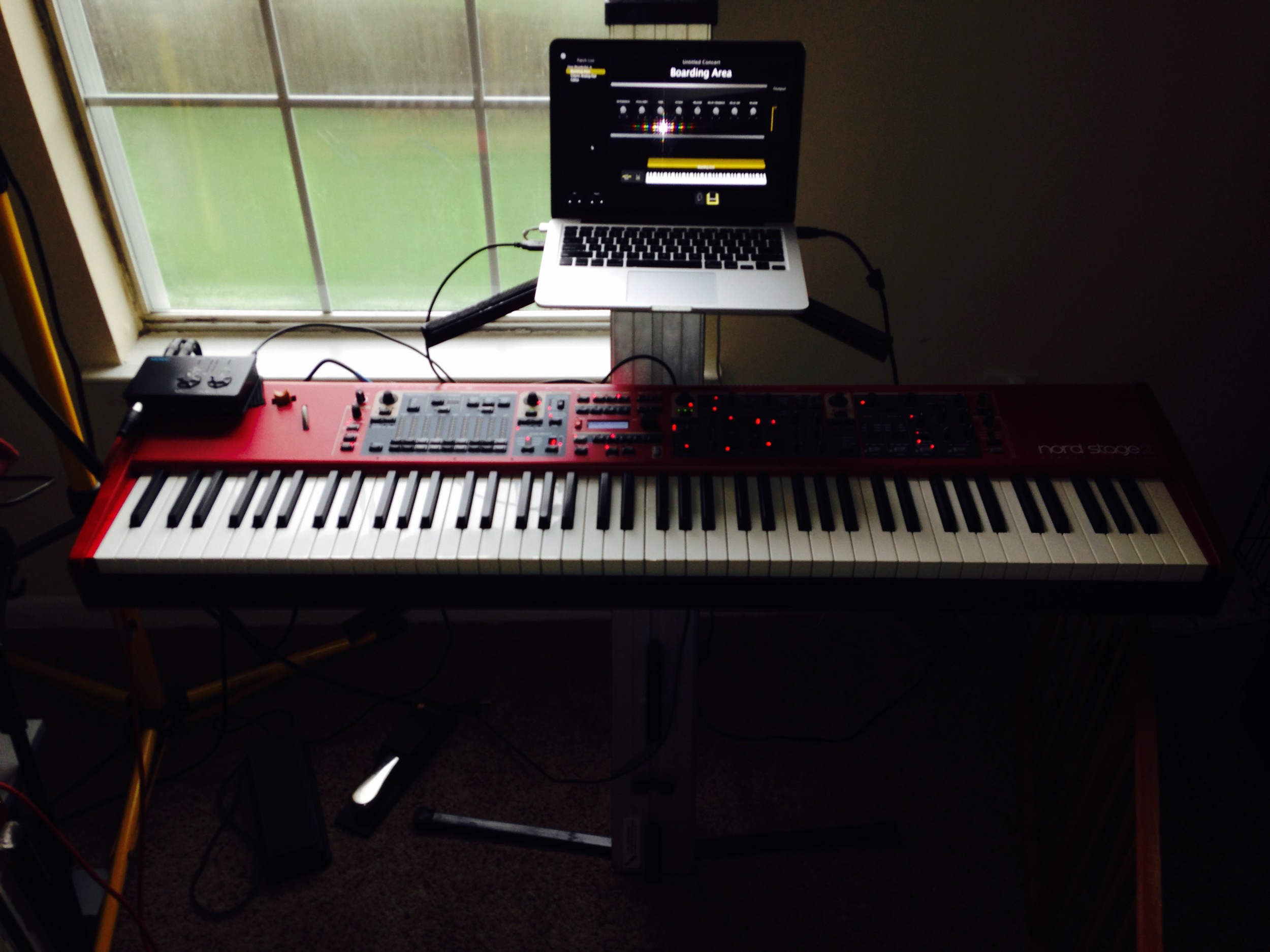
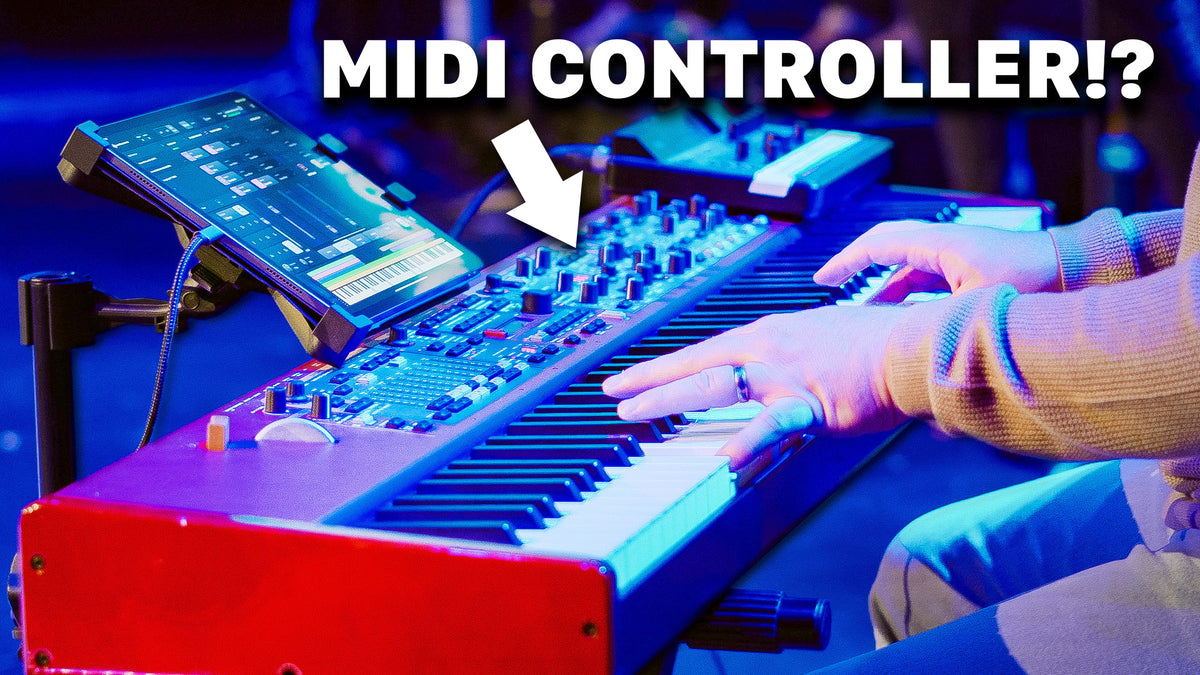
A well-built MainStage rig can outgun almost anything on stage—which is exactly the problem.
Why musicians love it
-
Unlimited sounds
-
Deep control over EQ, compression, layers
-
Custom rigs per song
The real risk
Too much power = too much sound.
Pads stacked with organs. Pianos layered with strings. Suddenly the singer is fighting a wall of keys.
Pro-tip:
Design vocal-first patches.
-
Thin pads (no low mids)
-
Mono organs instead of wide stereo
-
Velocity curves that prevent accidental overplaying
If your rig sounds amazing solo but awful with singers—you’ve already lost.
🎧 The Real Question: What’s Your Sonic Footprint?
Your sonic footprint is how much space your sound occupies in the overall mix.
Ask yourself:
-
Can the lyrics be clearly understood without pushing the vocal fader?
-
Do my sounds change when the singer enters?
-
Am I leading—or listening?
Professional Gospel musicians don’t play louder.
They play smarter.
🎶 Final Verdict: It’s Not Digital vs. Analog
It’s intentional vs. unconscious.
-
A B3 can bury a singer.
-
A Nord can overpower a room.
-
A MainStage rig can overwhelm a service.
Or…
Each can become a perfect partner to the voice if you manage your sound with purpose.
And that’s the difference between playing keys and serving the moment.
🎓 Vault Insight
This is why gear-focused content resonates so deeply with Master-Vault members. It’s not about buying more—it’s about hearing better.